For service members, police, fire, and EMS around Charlotte, a haircut is not just a haircut. It has to pass inspection, fit under headgear, and still be inside the standard two weeks from now when it has grown out. That last part is where most regulation cuts fail. A cut that is legal on day one can drift out of bounds before the next drill weekend if it was cut too close to the line.
Standards vary by branch, department, and agency, and your own chain of command or policy manual is the final word. The guidance here covers the common patterns barbers see and how to choose a cut that holds up between visits.
Start with margin, not the minimum
Hair grows about half an inch a month, roughly an eighth of an inch a week. A side cut exactly to the maximum allowed bulk or length will be over it soon. Barbers who cut a lot of regulation hair leave a working margin, taking the sides and top a little shorter than the limit so the cut stays inside the standard through a normal cycle between haircuts. Tell your barber your inspection or shift schedule, not just the style name, and the cut can be timed to it.
Tapered sides that do not touch the ear or collar, a neckline kept clean, and a top short enough to lie flat without product are the shared basics across most standards. Facial hair rules differ widely, from clean-shaven requirements to trimmed mustache allowances, so check your own policy before asking a barber to shape anything.
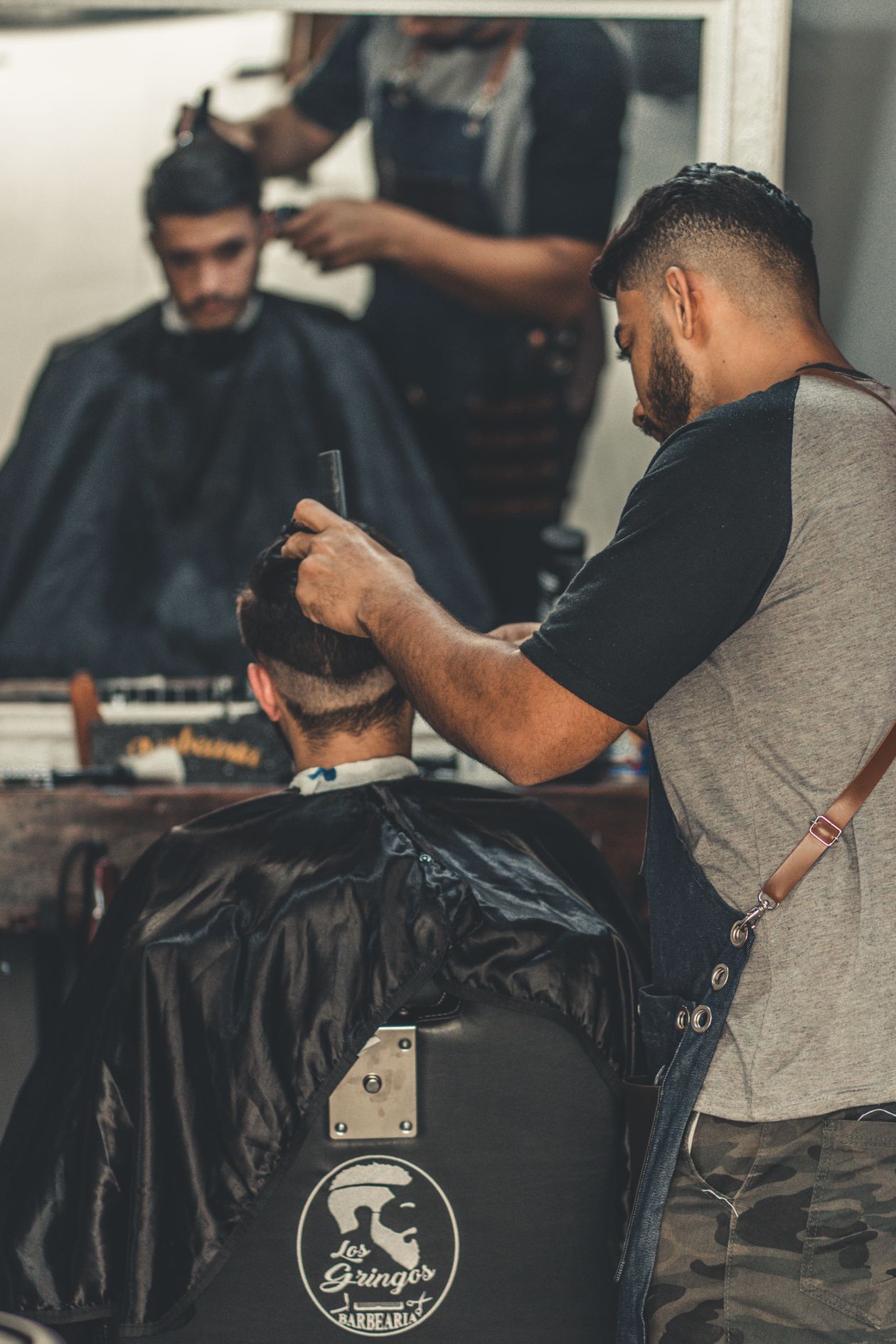
Choosing the cut by situation
| Situation | Cut that fits | Why it works | Watch out for |
|---|---|---|---|
| Drill weekends once a month | High-and-tight or short taper, cut the week before drill | Peaks in neatness on the weekend that counts and stays acceptable between visits | Cutting the day after drill instead, which wastes the sharpest week |
| Daily uniformed shifts | Short taper or low fade with a clean neckline | Looks in standard every day without daily styling, fits under caps and headgear | A fade grown past two weeks, which starts to look untapered even at legal length |
| Academy or training period | Very short, even cut all over | Removes daily decisions, meets strict early-phase standards, easy to maintain | Sunburn on a newly exposed scalp during outdoor training in summer |
| Growing toward a less strict posting | Medium taper, length left on top | Bridges toward a civilian style while staying inside current rules | Letting the sides drift first; sides are where inspections look |
Grow-out: where regulation cuts actually fail
Two places give you away first. The hair over the ears starts to touch or cover the top of the ear, and the neckline gets fuzzy as short hairs grow past the tapered edge. Sideburns also creep down. None of these need a full haircut to fix. A quick cleanup of the edges between full cuts, often called a line-up or edge-up, restores the outline in minutes and stretches the life of the cut. Many men on a tight standard run a two-week rhythm: full cut, then an edge cleanup two weeks later.

Headgear, helmets, and the fit nobody mentions
Caps, helmets, and respirator straps all press hair flat and punish bulk in specific spots. If your top is long enough to need product to behave, it will come out of a helmet looking pressed sideways. Shorter on top, with the crown kept neat, survives headgear better. If you wear a tight-fitting mask for work, mention it. The seal line around the face is one more reason facial hair and sideburn length follow your department rules, not preference.
Bring a photo of the cut you need or the wording of your standard if you are new to a unit. Barbers at Bennett's Barbershop can match a described standard far better than a vague request for something military.
One last practical point: consistency
The same barber, the same cut, and the same interval produce the most predictable results. A barber who knows your standard and your growth rate stops guessing and starts maintaining, which is what regulation grooming actually is.
Common questions
How often should I get a regulation cut?
Every two to three weeks for most short styles, with an edge cleanup in between if your standard is strict. Faster-growing hair and monthly inspections may need a tighter cycle.
Is a high-and-tight required?
Usually not by the written standard. It is popular because it stays inside most standards the longest. A neat taper often meets the same rules with a less severe look.
Can I keep a beard in a first-responder role?
It depends entirely on your agency. Many fire and EMS roles restrict facial hair where it breaks a respirator seal. Check your department policy before growing one.
Photos in this guide are representative stock images.
← All guides from Bennett's Barbershop← Back to Bennett's Barbershop