You leave the chair looking sharp in Charlotte and itching like you rolled in hay. Post-cut itch is one of the most common complaints after a haircut, and it is rarely a sign that anything went wrong. Short, stiff hair clippings get everywhere, skin that has just had clippers run over it is mildly irritated, and the two together can itch for a day or two.
The troubleshooting order below starts with the most likely cause and works down. Most men stop needing it after step two.
The usual suspects, in order
Loose clippings come first. A fade or short cut produces thousands of tiny, sharp-ended hairs. They fall inside the collar, stick to the neck where the skin is warm, and work into shirt fabric. Every time you turn your head, they poke. Second is simple irritation. Clipper blades and trimmers pass over the neck and around the ears many times, and that friction can leave skin red and reactive, especially if your skin runs dry or sensitive. Third is product. A new styling product, aftershave on the neckline, or even a heavily scented product used at the shop can itch on skin that is already worked up.
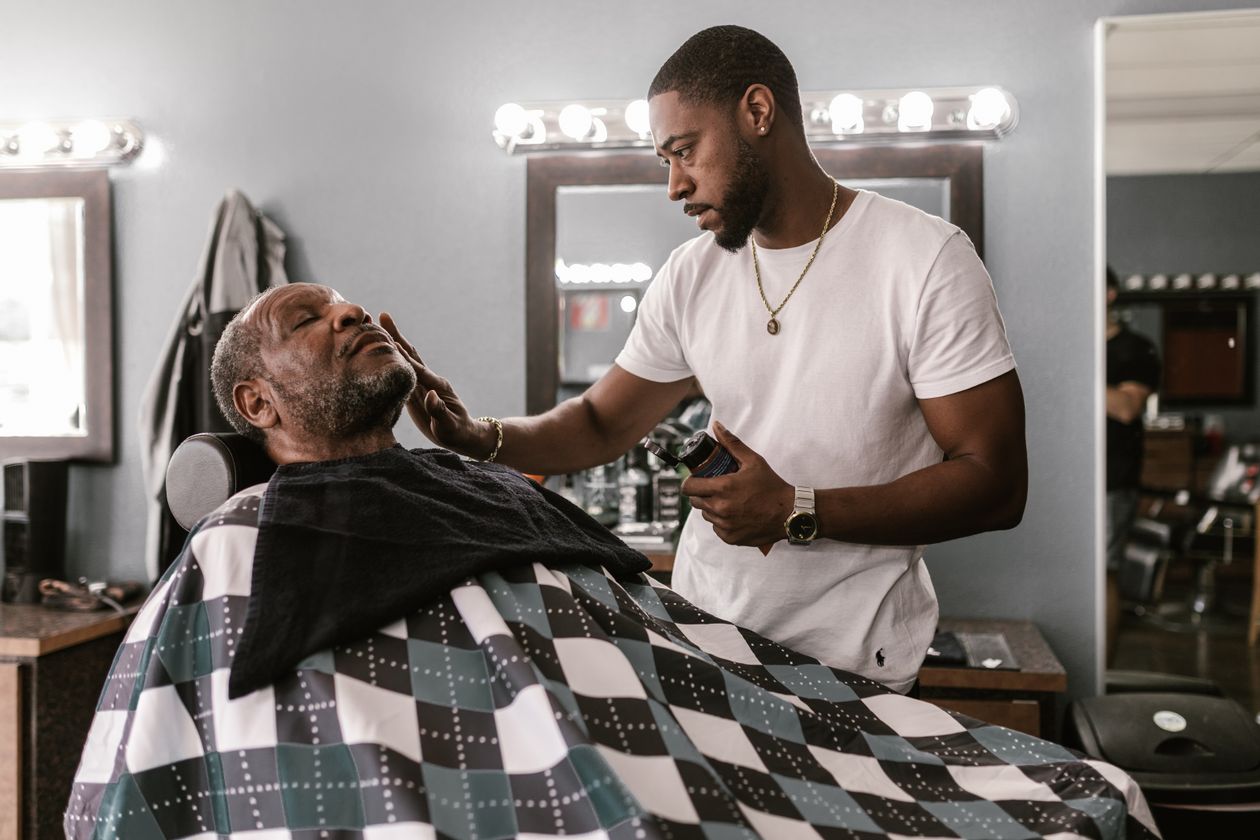
Calm it down, step by step
- Shower or rinse after the cut. Warm water and a gentle wash of the neck, shoulders, and chest removes the clippings that brushing at the shop missed. This single step fixes most post-cut itch.
- Change your shirt. Clippings caught in a collar or crew neck will keep poking through fabric even after you rinse. A clean shirt matters as much as the rinse.
- Pat dry and moisturize the neck. Use a plain, fragrance-free moisturizer on the neckline and around the ears. Skip scented aftershave on irritated skin for a day or two.
- Leave it alone. Scratching a clippered neckline turns mild irritation into bumps. If an area itches, a cool, damp cloth held on it for a minute usually settles it.
- Check for ingrown hairs over the next few days. Short hairs at the neckline can curl back into the skin, mainly where hair grows in swirls. A warm compress and gentle exfoliation help most of them surface.
- Note what was different. If the itch followed a new product, a razor finish, or a much shorter cut than usual, remember it and mention it at the next visit so the barber can adjust.
Neck strips, capes, and why the itch starts at the shop
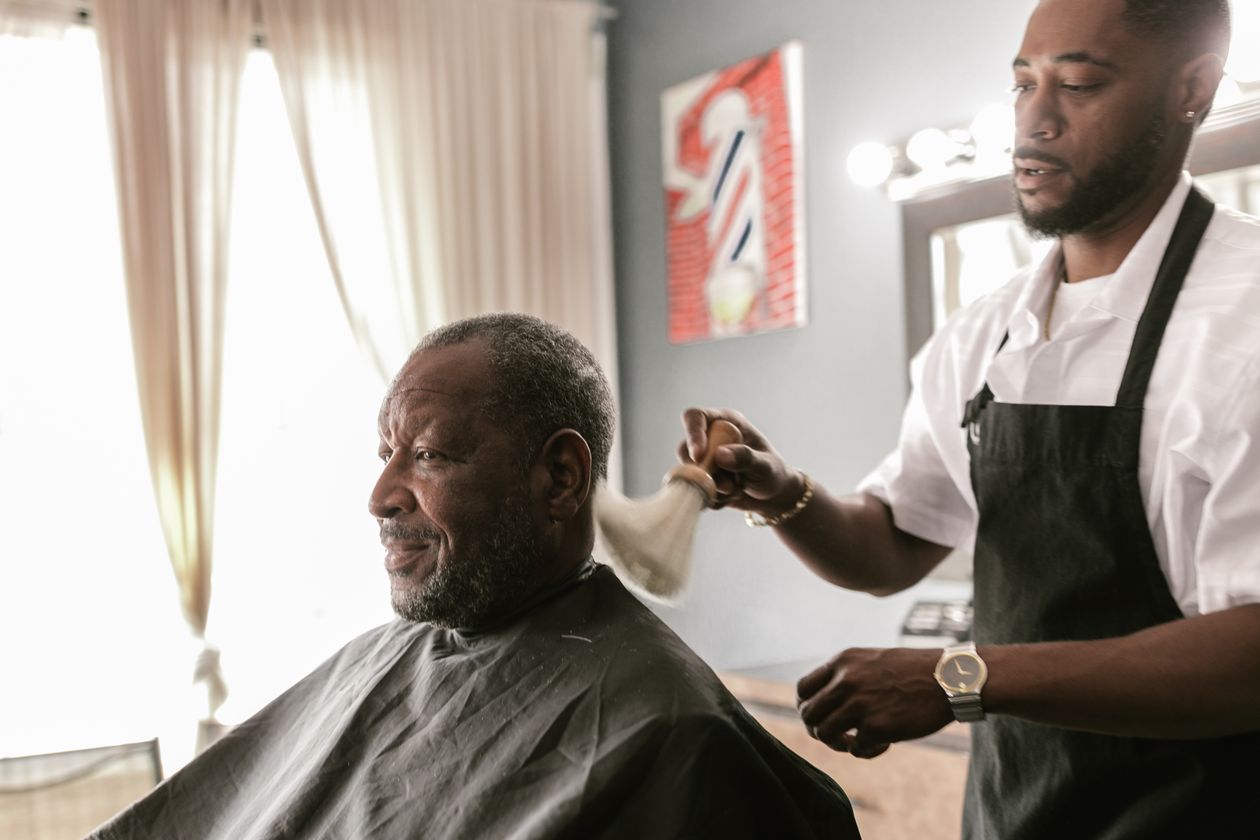
The paper neck strip and cape exist to keep clippings off your skin and clothes, and they help, but neither seals completely. Fine hair from a fade is light enough to drift and settle below the collar line. If you know you itch after cuts, tell the barber before the cut starts. An extra brush-off, a more careful pass around the collar, and skipping scented product on the neck are all easy adjustments when the barber knows.
When itching is not just itching
Ordinary post-cut itch fades within a day or two. See a doctor or dermatologist instead of waiting it out if you get spreading redness, swelling, yellow crusting, painful bumps that keep multiplying, or a rash that keeps returning after every cut. Those patterns can point to a skin infection or a reaction that needs treatment, and a barber cannot diagnose them. Bring the same information you would bring about any reaction: when it started, what product touched the skin, and whether it has happened before.
At your next visit to Bennett's Barbershop, mentioning a past reaction is useful information, not a complaint. Barbers adjust tools, products, and pressure based on exactly that kind of note.
The first night and the next morning
If the itch tends to follow you to bed, shower before sleep rather than in the morning. Clippings left on the neck and shoulders through the night get ground into the skin by a pillow, and you wake up more irritated than you went to bed. A clean pillowcase after a haircut day helps more than most men expect, since loose hairs collect on fabric. By the second day, ordinary post-cut itch should be clearly fading rather than holding steady or spreading. That trajectory is the useful signal: improving means it was clippings and mild irritation, while worsening after day two deserves a closer look and possibly a medical opinion.
Common questions
Should I wash my hair right after a cut?
Yes, a rinse or shower after a cut is a good idea. It removes loose clippings from your scalp, neck, and shoulders, which are the main source of the itch.
Why does my neck itch more than my scalp?
Neck skin is thinner and more sensitive, and the neckline gets the closest trimmer work. It also rubs against your collar, which keeps irritated skin irritated.
Can a barber do anything to prevent it?
Often, yes. A careful brush-off, skipping scented products on your neck, and a lighter touch on the neckline all help. Tell the barber at the start, not the end.
Photos in this guide are representative stock images.
← All guides from Bennett's Barbershop← Back to Bennett's Barbershop